

Most people visit Palermo at eye level: markets, churches, palaces. But the most surprising city sits above the rooftops and below the streets. This is a short guide to vertical Palermo — the terraces, the tunnels and the alleys where the old town shows its most intimate side.
A city of rooftops
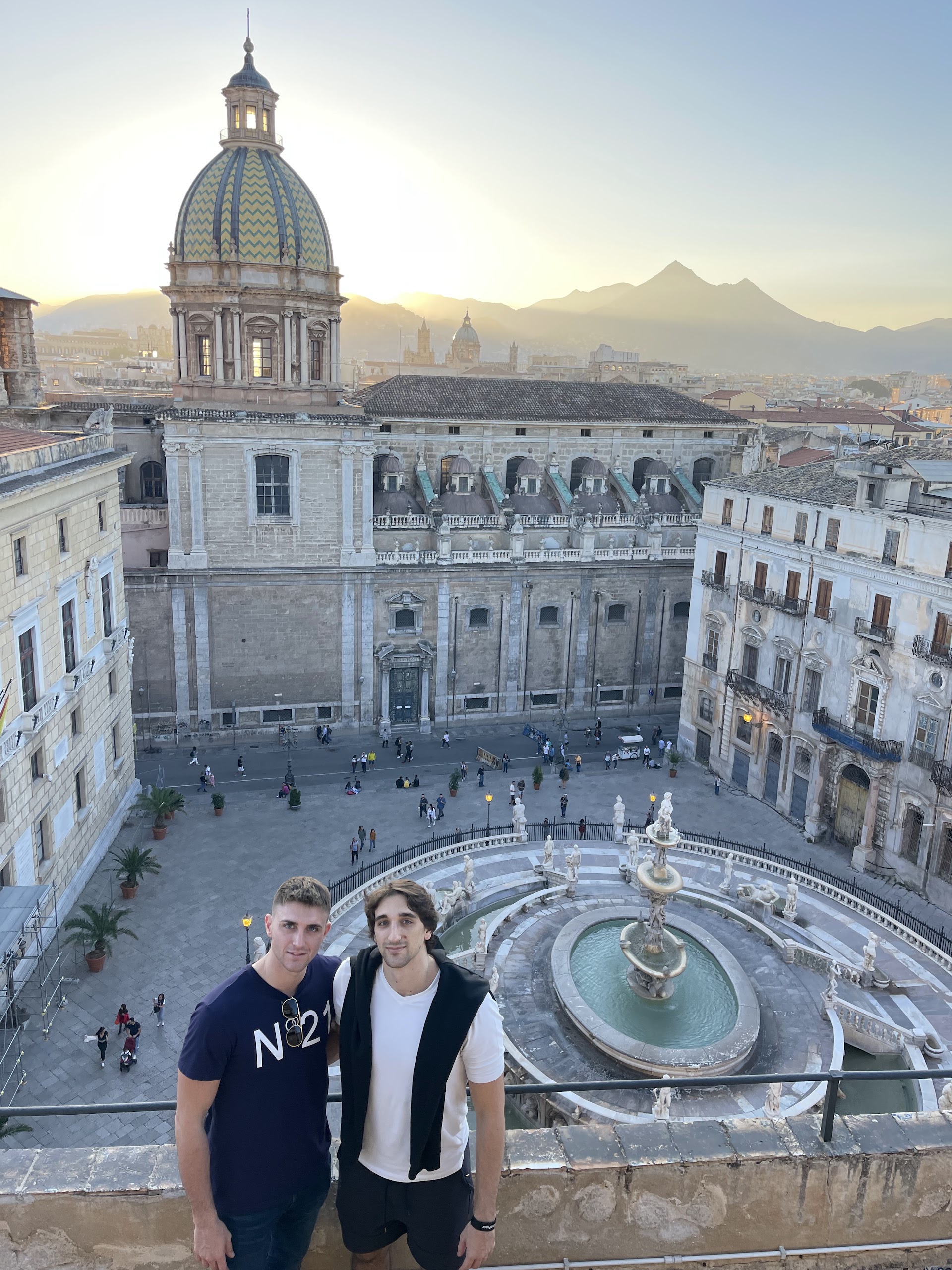
Palermo's historic centre is a sea of terraces. For centuries the roof was the extra floor of the Palermitan home — where laundry dried, tomatoes were left in the sun and families sat out the evening heat. Several rooftops are now accessible, and they deliver perspectives you'd never guess from below:
- The Cathedral rooftops: you walk along the ridge of the nave, majolica domes in front of you and Monte Pellegrino behind. Probably the most iconic view in the city.
- The terraces of Santa Caterina: from the Dominican monastery on Piazza Bellini you look straight into the red domes of San Cataldo. Downstairs, the monastery bakery sells the nuns' historic sweets — the fedda del cancelliere alone justifies the visit.
- The bell tower of San Giuseppe dei Teatini and the noble palazzo terraces around the Quattro Canti: different heights, same magic — the Baroque seen from above.
The right moment is the golden hour, the last hour before sunset, when the tufa stone turns gold and the tiles catch fire. It's also the heart of our secret terraces and hidden corners tour, timed precisely so you're on the rooftops when the light peaks.
Below the streets: the qanats
Few visitors know that beneath Palermo runs a network of water tunnels dug in the Arab era: the qanats. These underground aqueducts tapped the water table and carried it into the city by gravity alone, on gradients calculated to the millimetre — the same technology as the Iranian plateau, brought here a thousand years ago. Some stretches (like the Qanat Gesuitico Alto, off Corso Calatafimi) can be visited with licensed speleologists: you wade through cool water metres underground while traffic runs overhead. A rare experience — book ahead, as visits don't run daily.
The Capo alleys and the corners guides skip
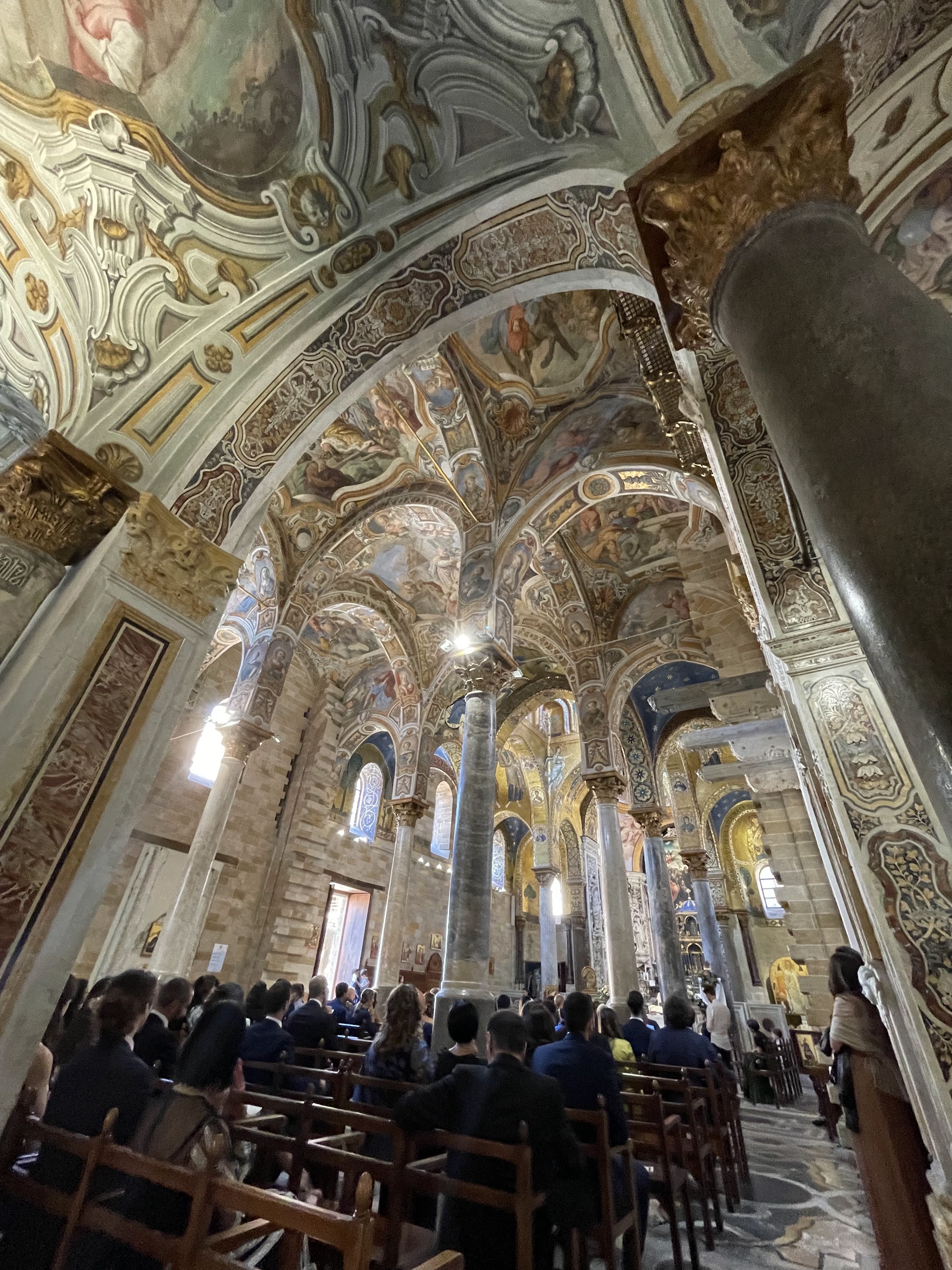
The Capo district, behind the Teatro Massimo, is the right place to get lost: arches vaulting over lanes, votive shrines with their little lights burning, courtyards where time runs at a different speed. A few pointers: Via Porta Carini in the morning, while the market is loud; the church of the Immacolata Concezione, a Baroque jewel hidden between the stalls; the inner courtyards between Via Beati Paoli and Piazza del Monte. A little further, in the Kalsa, the roofless Gothic nave of Santa Maria dello Spasimo — trees growing where the vaults should be — may be the most poetic space in the city.
Photography tips
- Timing: golden hour for the rooftops; early morning for the alleys, when the light rakes low and the markets are setting up.
- Lenses: wide-angle for the terraces, a 35–50mm for the lanes. From the rooftops, hunt details — domes, drying laundry, aerials and bell towers in a single frame.
- Respect: many terraces are private or belong to monasteries; only go up where access is allowed, and in the alleys ask before photographing people. Palermo is generous with the polite.
Hidden Palermo isn't a checklist of places — it's a way of looking. Raise your eyes above the cornices, step into the open courtyard, accept the offered coffee. That's where the city actually tells its story.

