

Let's be clear from the start: there is no "Godfather locations tour" of Palermo worth taking. The mafia is not a film set here — it's a wound this city paid for with hundreds of lives: judges, police officers, journalists, priests, shopkeepers, bystanders. And yet a mafia tour, done properly, may be the most important thing you do in Palermo. Because the real story isn't the bosses. It's the people who said no.
The years that changed everything
Between the 1970s and 80s Palermo lived through its darkest season: the Corleonesi mafia war and a string of high-profile assassinations. Then came the state's answer — the anti-mafia pool and the Maxi Trial (1986–87), the largest organised-crime trial ever held, with 475 defendants and hundreds of convictions. It was built above all by two Palermo-born magistrates, Giovanni Falcone and Paolo Borsellino, the first to treat Cosa Nostra as what it actually was: a single organisation with a hierarchy, accounts and rules.
The mafia answered the only way it knew. On 23 May 1992 the motorway into the city was blown up at Capaci, killing Falcone, his wife Francesca Morvillo and three bodyguards. Fifty-seven days later, on 19 July, a car bomb in Via D'Amelio killed Borsellino and five officers. Palermo answered with white bedsheets hung from balconies in protest — the moment the city visibly changed course.
The gentle revolution: Addiopizzo
In 2004 a group of young Palermitans plastered the city with stickers carrying one sentence: "An entire people that pays the pizzo is a people without dignity." That was the birth of Addiopizzo, the anti-mafia critical-consumption movement: shopkeepers who publicly declare they refuse to pay the pizzo (Cosa Nostra's extortion "protection" money), and citizens who deliberately shop with them. Today the network counts hundreds of businesses — cafés, workshops, restaurants, hotels — and it has proved something enormous: extortion can be refused, if you refuse it together.
This is the pizzo-free economy: every coffee, every cannolo, every night in a network B&B is a small vote against the mafia. At Epic Sicily we work with suppliers and shops that share this principle, because tourism is real economic leverage — and where you put your money here genuinely means something.
What you'll see (and what you won't) on a serious tour
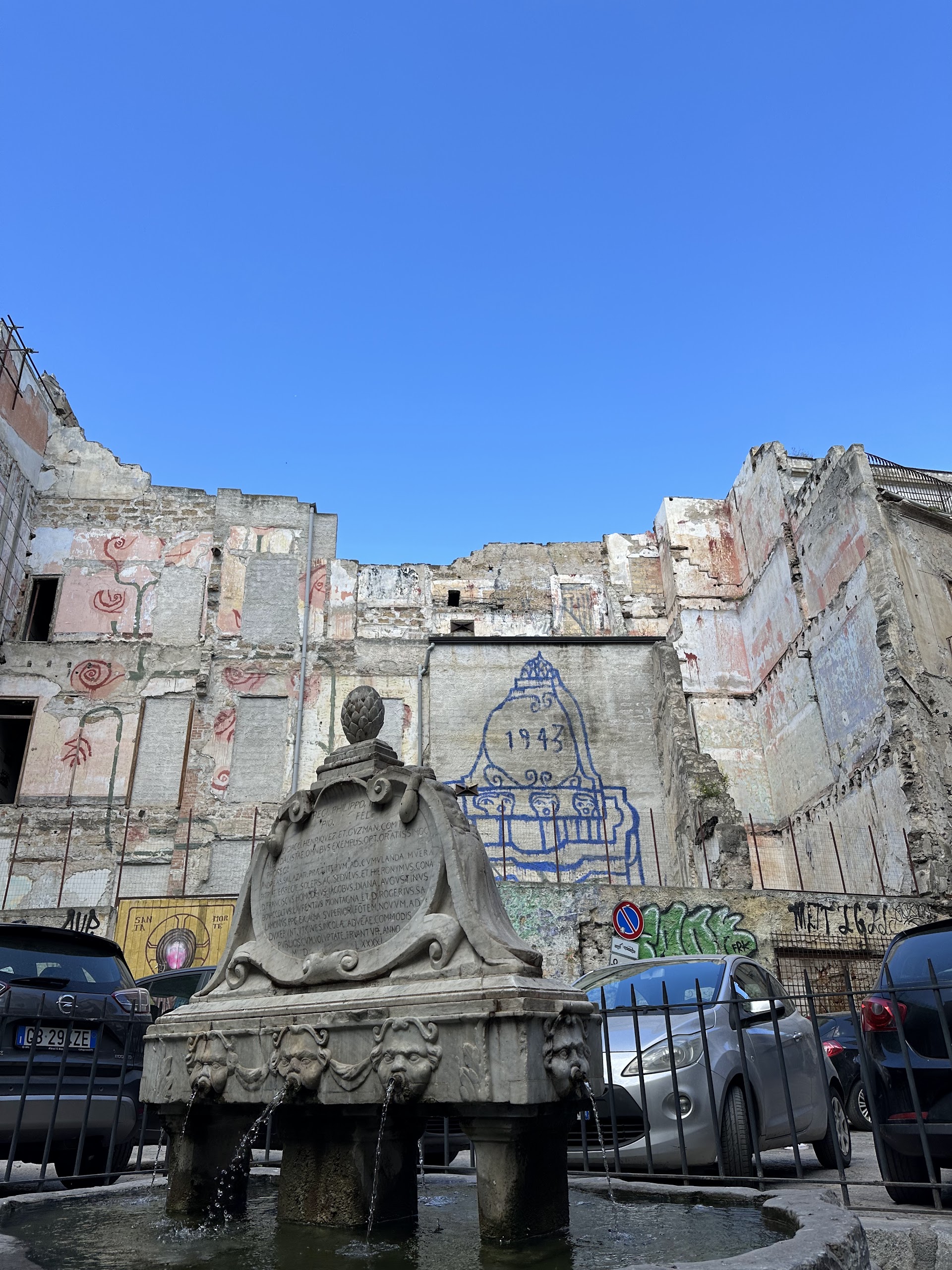
Our Palermo mafia: history and present walking tour crosses the old town connecting the places of memory — from the Teatro Massimo to the Falcone and Borsellino murals, from the memorial plaques to pizzo-free storefronts — with the stories of the people resisting today. And since this is Palermo, you'll also walk through the markets, with a few street food tastings from network businesses along the way.
What you won't get: gangster poses, admiring anecdotes about bosses, movie quotes. Not out of prudishness, but out of respect — in this city nearly every family has unfinished business with that history. Sensationalism doesn't just feel wrong; it tells the wrong story, the one where the bad guys win.
Why it's worth your time
- Because without this key you only half-understand Palermo: the old town's rebirth is also a child of the anti-mafia years.
- Because the story of Falcone, Borsellino and Addiopizzo is one of Europe's great civic stories, and it should be heard where it happened.
- Because the most concrete way to be on the right side of it, as a visitor, is knowing where your money goes.
Come with questions. This is the tour where the best conversations happen mid-walk.


