

Palermo's historic markets carry a thousand years of history — they began as Arab souks, and you can still hear it: the abbanniata, the sing-song cry vendors use to call in customers, is a direct inheritance from that world. But guidebooks tend to describe the three markets as if they were interchangeable and frozen in time. They aren't. Today Ballarò, Capo and Vucciria are three very different places, and it pays to know that before you go.
Ballarò: the real market
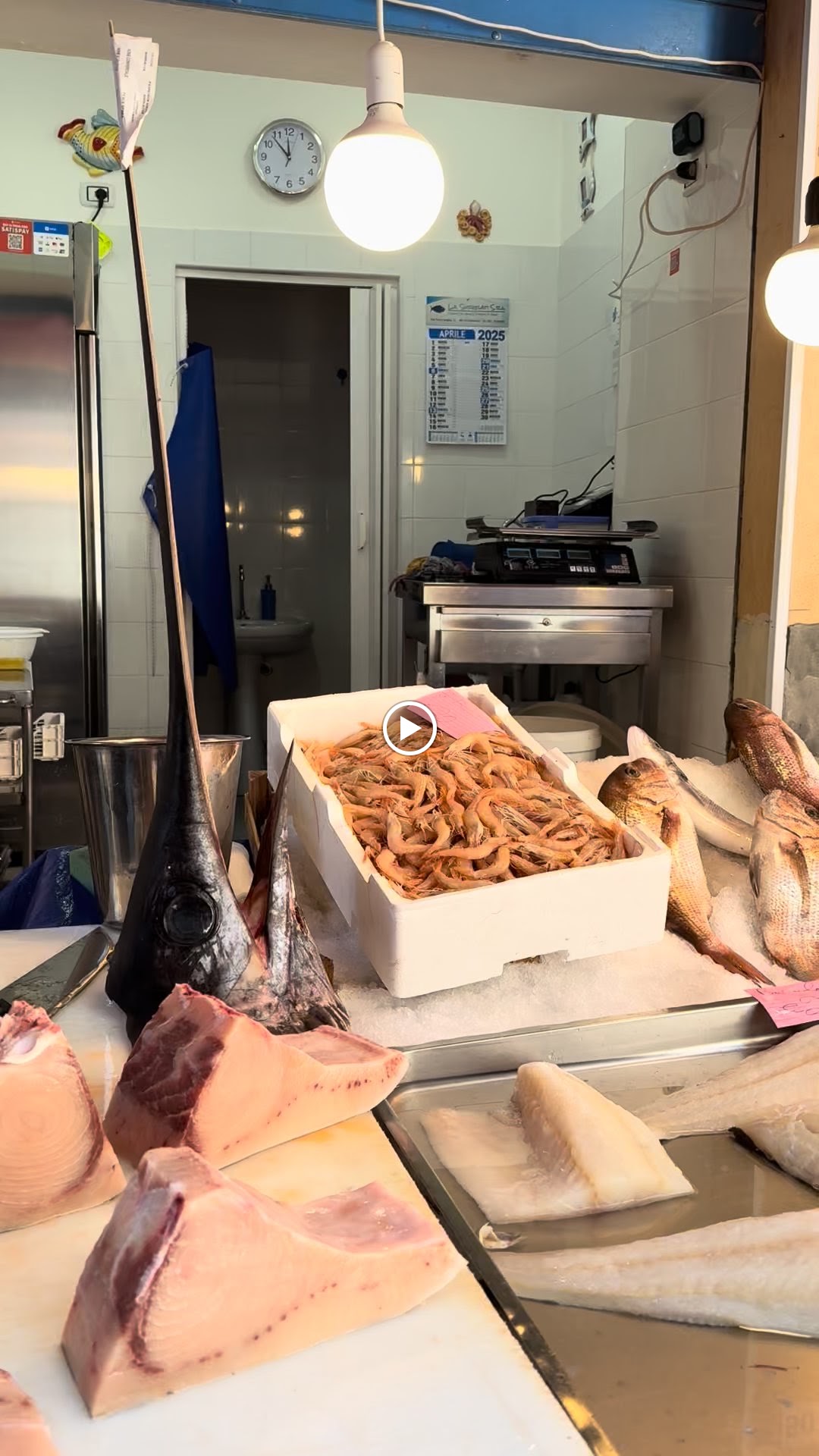
Ballarò, in the Albergheria district, is the oldest of the three and the only one that remains a true daily market: Palermitans — and the many communities who live in the neighbourhood — do their actual shopping here every morning. Fish stalls where tuna is cut to order, mountains of siccagno tomatoes, olives, cheeses, offal, and in between, the fry shops turning out panelle non-stop. It's loud, chaotic and alive. If you have time for one market only, it's this one.
What to buy: sun-dried tomatoes, capers from Salina, bunches of oregano, caciocavallo cheese, and seasonal fruit at a third of what it costs in most of Europe. What to taste: panelle and potato croquettes, quarume if you're brave, and sfincione from the three-wheeler cart.
Capo: the food market
Capo threads its way behind the Teatro Massimo, along Via Carini and Via Beati Paoli. It's more compact than Ballarò and more focused on food: fish, meat, vegetables, and an unusually high density of stalls you can eat from directly. Its morning crowd is still mostly locals and people who work nearby, especially on weekdays, and the rhythm is lovely. It's the right market for a savoury breakfast — yes, that's a thing in Palermo — and for filling a shopping bag.
Vucciria: more nightlife than market
Let's be honest: the Vucciria that Guttuso painted in 1974 no longer exists. By day, a handful of stalls survive around Piazza Caracciolo, and anyone arriving expecting the great market leaves disappointed. But at night the Vucciria transforms into the heart of Palermo's street nightlife: charcoal grills, stigghiola, grilled fish, ice-cold beer and music until late. It's no longer a market — it's an evening ritual, and as an evening ritual it works beautifully.
The right hours
- 7:30am–1pm: prime time for Ballarò and Capo. The best fish is gone by 10.
- Afternoon: the markets wind down slowly; many stalls close after lunch.
- From 9pm: the Vucciria lights up. Ballarò keeps a few evening fry shops going; Capo sleeps.
- Sunday: nearly everything closed or reduced. Plan for weekdays or Saturday — or, if Sunday is your only day, come with us: our Sunday markets walk lasts two hours and ends with a pastry break.
Photography without being a nuisance
The markets are photogenic and the vendors know it. But they're also someone's workplace, so the rule is simple: greeting first, photo second. A smiled "posso?" ("may I?") opens almost every door — and often ends with a theatrical pose and a free taste. Don't plant yourself with your phone in front of a stall while real customers wait, and if you're photographing people up close, always ask. Buying something, even just a hundred grams of olives, is the best thank-you there is.
A local's advice
You don't "visit" a market — you use it: go hungry, carry cash, take your time. And if you'd like to cross it with someone who explains what you're looking at and which stalls to trust, have a look at our food experiences — or start with our Palermo street food guide to know what to order.


