

In Palermo, dessert isn't how a meal ends — it's an institution with its own rules, its own hours and its own liturgy. Sicilian pastry was born where the almonds and sugar brought by the Arabs met the shepherds' sheep's-milk ricotta, refined over centuries in convents where nuns invented masterpieces. This guide tells you what to order, how to tell a serious counter from a tourist trap, and which sweets only exist in certain months.
The cannolo: the one non-negotiable rule
You can judge a cannolo by a single detail: it must be filled in front of you. The shell — crisp, blistered, fried in lard — and the sieved sheep's-milk ricotta should meet at the last possible moment; otherwise the shell goes soft and the cannolo is already dead. If you see rows of pre-filled cannoli waiting in a display case, walk to the next pastry shop without regret. Classic finishes are chopped pistachio, candied orange peel or chocolate chips; a fair city price runs €2.50–4 depending on size.
The cassata: baroque you can eat
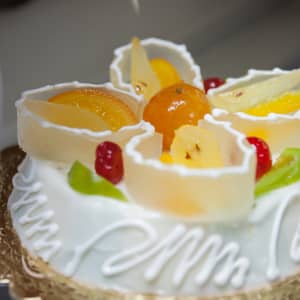
The cassata is the island's most theatrical dessert: sponge cake, sweetened ricotta, green marzipan, white icing and a crown of candied fruit. Born (probably) at the Arab court and perfected in convents, the "official" version was codified in Palermo in the nineteenth century. A proper slice is rich but balanced, never cloying — if all you taste is sugar, it was old or badly made. There's also a little sister, the cassatina, a single-portion format perfect for a first taste.
Iris, setteveli and the rest
The iris is a fried, ricotta-and-chocolate-filled doughnut invented in 1901, still the definitive working-class breakfast: eat it warm, in the morning. The setteveli is Palermo's modern classic — seven layers of chocolate and hazelnut created in 1997 and imitated everywhere since. Then there are the testa di turco, almond pastries, and sesame-crusted "regina" biscuits: every counter has its specialities.
Brioche with gelato: the summer breakfast
From May to September, breakfast in Palermo changes shape: a brioscia col tuppo (the little topknot on top) split open and stuffed with gelato or granita. The canonical pairings: black mulberry when in season, almond, coffee with whipped cream, pistachio. It isn't a dessert, it's a meal — and no one will judge you for eating it at eight in the morning. Quite the opposite.
Seasonal sweets: the calendar matters
- October–November: frutta martorana — hyper-realistic marzipan fruit made for the Day of the Dead (2 November) — alongside sugar puppets.
- March: sfince di San Giuseppe, fried clouds with ricotta for St Joseph's Day on the 19th.
- Summer: granitas and watermelon jelly ("gelo di mellone") scented with jasmine.
- Carnival: chiacchiere and pignolata.
Where tradition actually matters
The test is always the same: look for places where the ricotta is sheep's milk (ask — those who use it say so with pride), where the cannolo is filled to order, and where the queue is made of Palermitans. Be wary of counters displaying a hundred pastries in the sun in front of a monument.
If you want to taste them without wasting time hunting for the right addresses, our Sweet Tooth Walk is a three-hour stroll through Palermo's sweets, with tastings, in groups of ten at most.
And if you want to move from tasting to making, our cooking experiences — from the arancine and cannoli class, bookable on request to pastry workshops — run on flexible dates. Everything else worth eating is in our food experiences section.


