

In Palermo, street art doesn't live in the nightlife districts — it lives in the working-class neighbourhoods. That's where the walls became the way the city talks about itself: the mafia, migration, saints, football, the people who left and the people who stayed. So seeing it properly means going into areas the classic guides skip. Here's where to go and how to do it well.
Where to find street art in Palermo
There's no single "district" — there are neighbourhoods, each with its own character.
- Ballarò and the Albergheria — the city's oldest market is also an open-air gallery. The murals sit alongside the fish stalls and the community that lives here, people who arrived from half the world. It's the most natural starting point, and we cover it in our guide to Palermo's markets.
- Borgo Vecchio — a few steps from the port and the elegant Via Libertà, a warren of low alleys whose walls have filled up with faces and stories from the neighbourhood.
- Sperone — the eastern outskirts, on the sea. This is where street art was openly used as a tool for renewal: whole façades of public housing blocks painted over.
- The Kalsa — the oldest quarter, where Giovanni Falcone and Paolo Borsellino were born. Here anti-mafia memory is on the walls too, next to noble palaces and Arab-Norman churches.
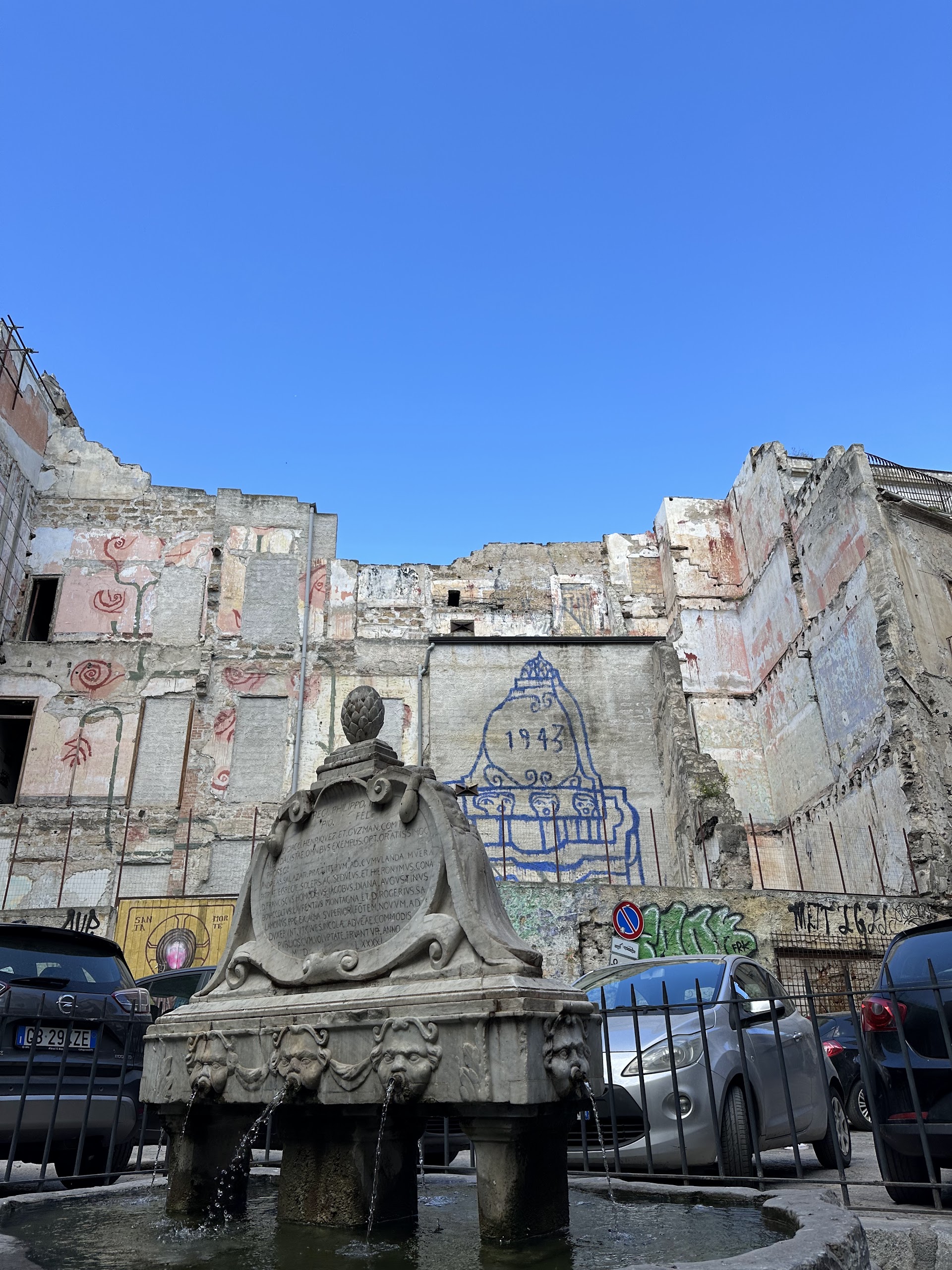
Pizzo Sella: the hill that tells the story of the mafia
If there's one place where street art says something no book says better, it's Pizzo Sella. On the slopes of Monte Gallo, above Mondello, there's a neighbourhood of villas that were never finished — built in the 1970s and 80s and tied to mafia building speculation. Palermitans call it "the hill of dishonour". Seized and abandoned, the houses are now covered in work by artists who turned the concrete of illegal building into a canvas. It isn't somewhere to wander into alone; with a guide it becomes one of the most powerful experiences in the city. That's what our Pizzo Sella urbex art adventure with mafia stories does, finishing at a hidden sea-access point in Addaura.
Why Palermo's walls have so much to say
A lot of Palermo's street art grew from the ground up, often made with the people of the neighbourhood: not decoration, but storytelling. You'll find the faces of Falcone and Borsellino, Saint Rosalia protecting the city, migrants who arrived by sea, local kids, footballers. Reading it without context is like watching a film with the sound off: beautiful, but you miss the story. The advice is always the same — find out who is behind a piece, and why.
How to visit the neighbourhoods respectfully
- These are homes, not museums. Someone lives behind every mural. Don't photograph people without asking, and don't crowd in front of doorways.
- Go in the morning. The light is better, the neighbourhoods are alive and the markets are open. In summer, avoid the middle of the day: it's fine in the shade, not in the sun.
- Wear comfortable shoes. You'll walk on uneven paving and alleys, often for two or three kilometres.
- The tram is your friend. For the outlying areas, the tram is the easiest way to get there from the centre.
On your own or with a guide?
Ballarò and the Kalsa are easy to explore on your own by day. To really understand what you're looking at — and to reach the less-visited neighbourhoods without getting lost — a guide makes the difference. Our Street Art Tour lasts three hours, runs in small groups and starts in the centre before finishing with a tram ride out to the city's creative outskirts. If you'd rather combine street art with ancient history, the Kalsa district walking tour with Palazzo Butera brings together murals, Arab origins and the places of Falcone and Borsellino. And for the background on the mafia, here's our guide to the history of the mafia in Palermo.


